
15 Benefits of Outsourcing IT Support

Outsourcing IT support services is the practice of hiring an external provider to manage, maintain, and troubleshoot your business’s information technology systems. This gives small and medium-sized businesses (SMBs) access to the benefits of professional IT technicians on an as-needed basis. On-site IT services require a technician to travel to your location to perform hands-on […]
7 Cybersecurity Risk Assessment Steps
A cybersecurity risk assessment allows you to transform IT security for your small or medium-sized business (SMB) from guesswork to a measurable business strategy. These assessment steps protect your finances and reputation. A cybersecurity risk assessment is a structured process used to identify digital assets, evaluate threats, determine residual risk and business impact, and prioritize […]
Types of Cloud Migration
Choosing the right cloud migration type protects your business from unnecessary costs, compliance issues, and failed projects. There are several types of cloud migration. No single approach fits every company. Cloud adoption is growing in popularity among small and mid-sized businesses (SMBs). The trend toward cloud-based infrastructure is due in part to the benefits of […]
Data Breach Incident Response Phases
Data breach incident response plans prepare your company to deal with cyberattacks successfully. These plans involve a complete set of procedures to identify, contain, investigate, and recover after data breaches. Having a documented data breach response plan before a problem arises is paramount to preventing revenue loss, reputational damage, and legal issues. Small and medium-sized […]
Data Security Best Practices for SMBs

Strong data security best practices help small and medium-sized businesses (SMBs) reduce data breaches and data loss. They are critical for maintaining customer trust and staying compliant with data privacy laws. Best practices secure sensitive data through encryption, multi-factor authentication, strong access control policies, data loss prevention strategies, and monitoring systems. These practices prevent data from passing into […]
Cloud Application Security Best Practices

Mitigate unnecessary risks associated with data breaches by implementing cloud application security best practices. Unauthorized access, misconfigurations, and cyberattacks are leading causes of high-dollar losses in cloud environments. Small and medium-sized businesses (SMBs) can apply these best practices with the help of professional security teams or internal security groups. Adopting zero-trust security measures is the […]
How Much Do Managed Service Providers Cost?

Managed service provider (MSP) pricing models vary depending on business needs, size, support levels, industry risks, and compliance requirements. Trustworthy managed IT service providers support business continuity through cybersecurity services, compliance management, cloud infrastructure management, and strategic guidance. Knowledge of pricing models, average IT service pricing, and what is included in MSP service packages is important […]
What Is a Cloud Firewall?
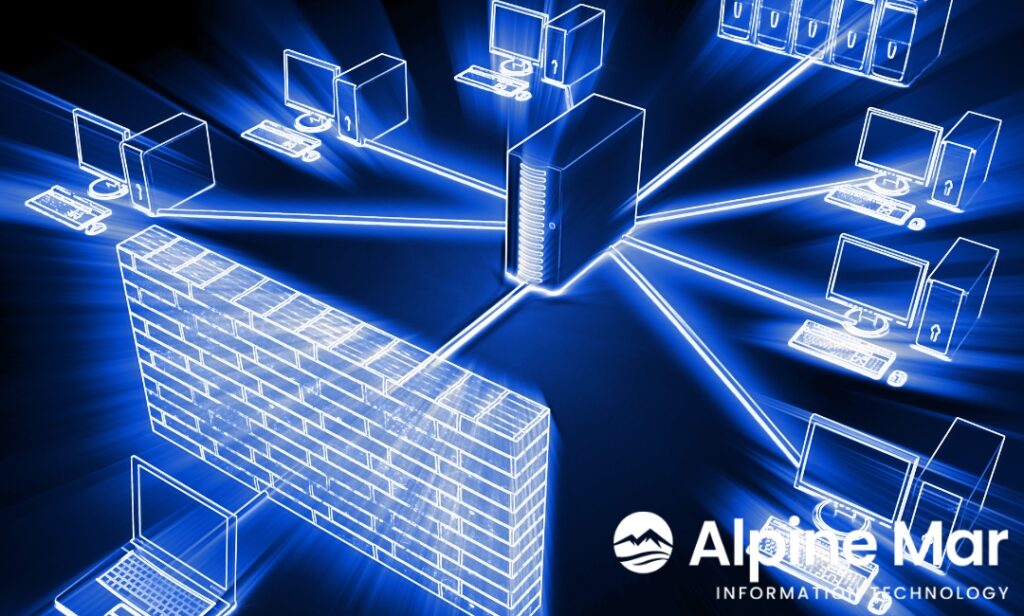
A cloud firewall is a cloud-delivered security system that monitors and filters network movement to protect users, applications, and cloud environments from cyber threats. Understanding cloud firewalls is critical for businesses that want to stop modern threats like ransomware, phishing, and lateral movement. Traditional security solutions are a thing of the past. Routers and other on-premises […]
9 Benefits of Using a Managed Service Provider

Businesses working with a managed service provider gain access to expertise, experience, and scalable IT infrastructure without the hassle of building an internal team. A managed service provider (MSP) is a third-party provider that manages, supports, and monitors a company’s IT infrastructure and end-user systems through remote access. The MSP focuses on proactive monitoring and […]
7 Cybersecurity Risk Assessment Templates

A cybersecurity risk assessment template helps businesses identify risks, evaluate threats, and build a structured approach to protecting their systems and data. This constructed framework is used to compile your risk assessment across your entire IT environment, including data, systems, and infrastructure. Small and medium-sized business (SMB) objectives typically include maximizing impact while minimizing loss. […]